
July’s ferrous prices have posted with mixed signals across U.S. scrap markets. Prime grades remained essentially unchanged across all major markets, while obsolete grades varied by region. Cleveland and Alabama settled broadly even with June, while Chicago, Arkansas, Tennessee, and St. Louis posted softer sideways settlements.
Price movements across the non-ferrous markets were mixed this month. Aluminum prices moved lower from recent highs, stainless steel remained relatively stable, and copper remained the strongest market despite ongoing price volatility. Overall demand for non-ferrous metals remained healthy, although buying activity became more disciplined across several markets.
Chicago’s Ferrous Scrap Market

In Chicago, July pricing reflects two distinct market trends. Prime grades, including Busheling and Bundles, remained steady as limited seasonal supply and healthy mill demand continue to support prices. At the same time, Heavy Melt declined $10 per gross ton, while Steel Turnings, Plate & Structural, and Shred remained unchanged.
The spread between prime and obsolete grades widen as mills continue competing for limited prime material while facing little difficulty sourcing obsolete grades.
Prime Grades. Prime scrap has remained remarkably resilient, with busheling prices holding essentially flat since February. Tight seasonal supply and healthy domestic steel demand have continued to support the market, even as automotive shutdowns and reduced manufacturing activity have limited the generation of busheling and bundle grades across the Midwest.
Elevated pig iron costs continue to support domestic prime scrap values, making busheling and bundles an attractive alternative for steelmakers. Despite the typical seasonal slowdown in scrap generation, an 80.4% mill utilization rates and steady finished steel demand has kept prime pricing resilient through July.
Obsolete Grades. Obsolete grades continue to face a different market dynamic than prime scrap. Limited export demand has reduced buying interest for Heavy Melt, while readily available supply across the Midwest has kept additional pressure on the market. As a result, Heavy Melt settled $10 per gross ton lower in Chicago during July, while Steel Turnings maintained June’s pricing.
Plate & Structural and Shredded Scrap have proven more resilient, maintaining June’s values on the strength of steady domestic mill demand. The divergence between prime and obsolete grades remains one of the defining themes of the current market.
“The story this month is the split between prime and obsolete,” said Lou Plucinski, President of BL Duke. “Prime continues to hold its ground, while Heavy Melt gave back about $10. Domestic demand is still healthy, but export weakness is creating two very different markets.”
Chicago’s Non-Ferrous Scrap Market
Aluminum. Aluminum scrap prices moved lower during July as the geopolitical concerns that supported prices earlier this summer eased. LME aluminum declined approximately 15% over the past month, placing downward pressure on prime aluminum scrap values. Domestic demand remains healthy, but most consumers have sufficient inventories and are purchasing only to meet current production needs rather than building additional stock.
Stainless Steel. The stainless-steel scrap market remained relatively stable during July, with only modest price declines. Lower nickel prices reduced upward pressure on stainless scrap values, but pricing continued to trade within a relatively narrow range. Domestic mills continue purchasing scrap to support production but remain disciplined, buying primarily to meet current demand rather than aggressively competing for available material.
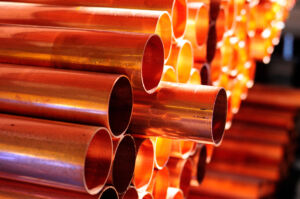
Copper. Copper scrap prices moderated after reaching record highs earlier this summer, though prices remain well above year-ago levels. Market volatility continues to be driven by uncertainty surrounding potential U.S. copper import tariffs, shifting economic expectations, and profit-taking following recent highs. Despite the pullback, long-term fundamentals remain supportive as investment in electrification, infrastructure, and tight global mine supply continue to support copper demand.











Let’s Connect
We’ll work hard to earn your business — and even harder to keep it.