Ferrous Metal Recycling

Work with the fastest-growing scrap recycler in Chicago

0 Acres
Of Operations
0 Balers
Largest in Midwest
0K Tons
Managed Monthly
0 Ways to Move
Barge, Rail & Truck

Our Capabilities

Setting a New Standard in Turnings Containment

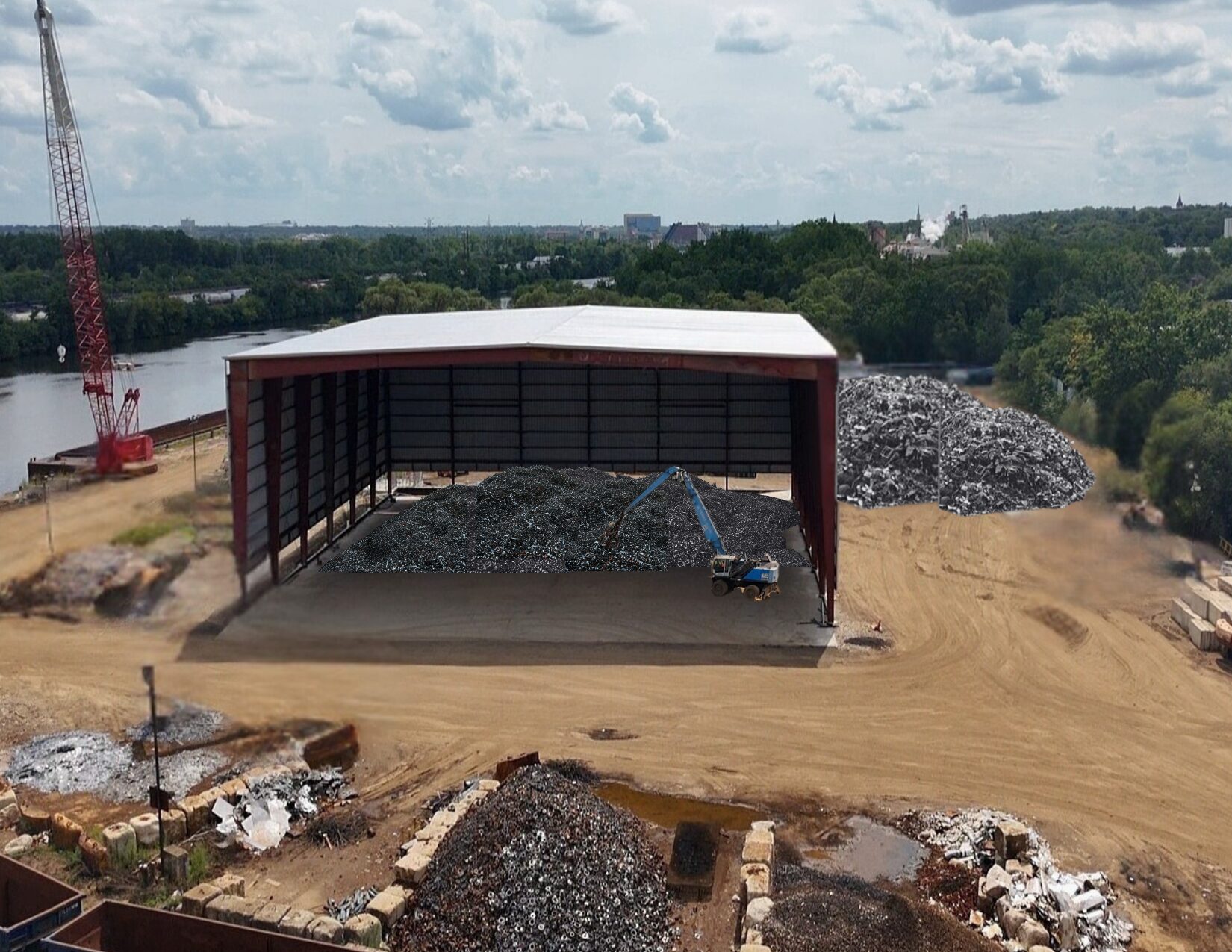
A first-of-its-kind facility in the Midwest, this state-of-the-art building is purpose-built to contain steel turnings, cast iron borings, and steel fines. Engineered to exceed environmental permit requirements, it sets a new benchmark for responsible material management.
Scrap Metal Reycling

Our Process

Material Receipt

Materials are received and identified by our experienced team.

Identification

Latest technology analyzing equipment ensures precise material identification.

Processing

Materials are, baled, torched, sheared and processed according to type and grade.
Transport & Sale

Processed materials are transported via barge, rail or truck to domestic steel mills.

Environmental Commitment

Our yards on the Des Plaines River follow the strictest environmental standards.

Frequently Asked Questions

Prime grades, as defined by the Recycled Materials Association (ReMA), include materials like No. 1 Bundles and No. 1 Busheling. These are typically clean, uncoated scrap generated from manufacturing processes.Prime grades, as defined by the Recycled Materials Association (ReMA), include materials like No. 1 Bundles and No. 1 Busheling. These are typically clean, uncoated scrap generated from manufacturing processes.

Secondary, or obsolete, grades of scrap metal—as defined by the Recycled Materials Association (ReMA)—include materials such as No. 1 Heavy Melt, Plate & Structural, and Shredded Auto Scrap.

While specifications can vary by steel mill or foundry, heavy metal and plate are generally considered prepared when they are cut to a maximum size of 5 ft. x 2 ft. Materials larger than this are classified as unprepared. Prepared materials are easier to process and often command higher value.


At our Joliet scrap metal yard, steel turnings and cast-iron borings are managed inside a first-of-its-kind, fully enclosed containment building. Materials are processed on a reinforced concrete pad lined with a composite moisture barrier, engineered to prevent rainwater exposure and eliminate the risk of ground contamination.

A gross ton (also known as a long ton) equals 2,240 pounds or 1,016.05 kilograms.
A net ton (also called a short ton) equals 2,000 pounds or 907.18 kilograms.

This difference can impact how scrap metal is weighed and priced.

Ferrous metals are iron-based materials, including steel, cast iron, and sheet metal. They’re magnetic and widely recycled in construction and manufacturing.

Yes. We purchase a wide range of steel and iron grades from demolition contractors, manufacturers, and the general public.

Both. Prepared steel is cut to specific lengths, while unprepared steel is oversized. We accept both types at our yards.

Pricing depends on weight, preparation, and current market conditions. Contact BL Duke for up-to-date ferrous scrap prices.

Ready to grow your bottom line?

Let’s take a fresh look at your program and find efficiencies that make the difference.